

 See My Latest Article on HelloNation
Hearing loss can develop gradually, often without pain or an obvious warning. Protecting hearing involves more than avoiding loud concerts; everyday noise, medications, infections, head injuries, and age-related changes can all affect how the ears function. The good news is that many risks can be reduced through practical habits at home, at work, and during recreation.
What causes preventable hearing loss?
Preventable hearing loss most often results from repeated or intense exposure to sound. A noise does not have to feel painful to be harmful. Lawn equipment, power tools, firearms, music through headphones, motorcycles, and industrial machinery can all produce sound levels that strain the delicate sensory cells inside the inner ear.
Other contributors include:
- Ear infections that are ignored or recur frequently
- Objects inserted into the ear canal, including cotton swabs
- Head injuries or pressure-related injuries
- Certain medications that can affect hearing or balance
- Uncontrolled health conditions that influence blood flow or nerve function
- Poor protection around workplace, household, or recreational noise
Some hearing changes cannot be prevented, particularly those related to aging, genetics, or certain medical conditions. Even so, reducing avoidable damage can help preserve hearing for a longer period and may make future changes easier to manage.
How loud is too loud?
A practical rule is that sound may be hazardous when it is difficult to have a conversation at arm’s length without raising the voice. The risk increases with both loudness and duration. A brief exposure to an extremely loud blast can cause injury, while moderate noise may become harmful after hours of repeated exposure.
Warning signs of excessive sound exposure include:
- Ringing or buzzing after leaving a noisy setting
- Muffled hearing that improves after several hours
- A feeling of fullness or pressure in the ears
- Needing to raise the volume after using headphones
- Difficulty understanding speech in a busy room
These symptoms should not be treated as a normal part of attending events, using tools, or listening to music. Temporary muffling can indicate that the ears have been overstressed, even if hearing seems to return to normal.
How can adults protect hearing at work and home?
Use hearing protection before entering a noisy environment, rather than waiting until discomfort begins. Earplugs can reduce sound while allowing communication, and earmuffs can provide additional protection around high-impact or continuous noise. In especially loud settings, using both may be appropriate.
At home, common sources of risk include:
- Leaf blowers, lawn mowers, snow blowers, and shop tools
- Home renovation equipment
- Generators and compressors
- Loud televisions or personal audio devices
- Firearms used without properly fitted protection
Residents in Lebanon may encounter seasonal outdoor noise during lawn care, winter maintenance, home repairs, and recreational activities. Keeping hearing protection with household tools can make safe use more convenient. It is also helpful to take quiet breaks, increase distance from the sound source, and limit the total time spent in a noisy area.
Hearing protection should fit correctly. Earplugs that are too loose may provide little benefit, while earmuffs that do not seal around the ears may allow sound to reach the ear canal. Protection should never create a false sense of security around extremely loud equipment; lowering the noise at its source remains valuable.
Are headphones safe?
Headphones and earbuds can be used more safely by controlling both volume and listening time. A useful approach is to keep the volume low enough that nearby people cannot hear the audio and to take regular breaks. Noise-canceling features may help some listeners avoid turning the volume up in airplanes, public transportation, or other loud surroundings.
A safer listening routine includes:
- Start at a low volume and increase it only as needed
- Avoid listening continuously for long periods
- Use built-in volume limits when available
- Take quiet breaks between listening sessions
- Do not use headphones to cover up dangerously loud background noise
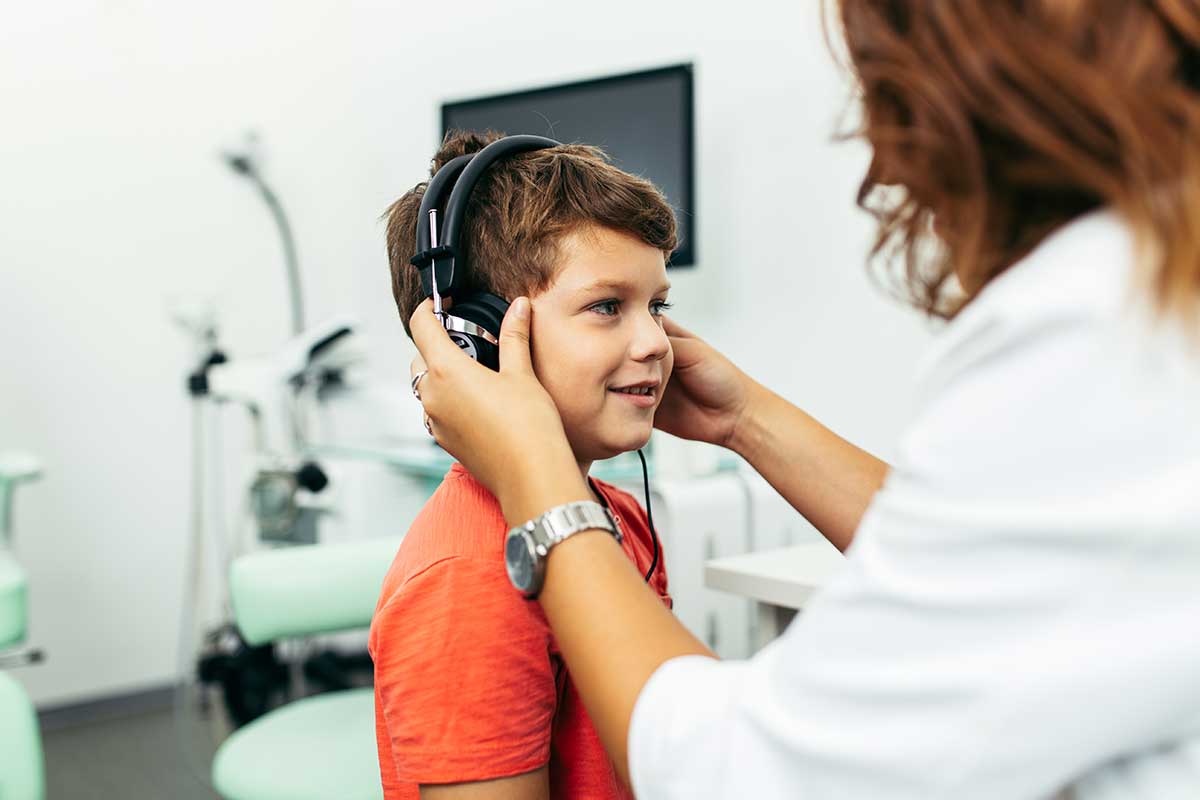
If someone nearby can clearly hear the music from the headphones, the volume is likely too high. Children and teenagers may need additional supervision because hearing damage from recreational noise can accumulate over many years.
Should cotton swabs be used to clean the ears?
Cotton swabs and similar objects should not be placed inside the ear canal. Earwax usually moves outward naturally and provides some protection against dust and irritation. Inserting an object can push wax deeper, scratch the canal, or injure the eardrum.
The outer ear can be cleaned gently with a damp cloth. If wax causes blocked hearing, pain, drainage, or persistent fullness, the safest approach is to have the problem evaluated rather than attempting repeated home removal. Ear candles should not be used because they can cause burns, blockages, and other injuries without safely removing wax.
How can parents protect children’s hearing?
Children benefit from hearing protection at sporting events, fireworks displays, concerts, parades, shooting activities, and near power equipment. Young children may not recognize that sound is too loud or may remove protection when distracted, so adults should supervise the fit and take breaks from noisy areas.
Parents can also protect hearing by:
- Keeping personal audio volume moderate
- Choosing quieter toys when possible
- Watching for repeated requests to increase volume
- Observing speech and language development
- Seeking evaluation after ear infections or concerns about hearing
Hearing supports communication, learning, balance, and social development. A child who frequently misunderstands instructions, watches faces closely, or seems inattentive in noisy settings may be having difficulty hearing rather than simply ignoring others.
What changes should older adults watch for?
Age-related hearing changes often develop slowly. A person may notice that others mumble, television dialogue is unclear, or group conversations are exhausting. Family members may notice the problem before the individual does.
Older adults can help preserve communication by protecting against loud sound, reviewing medications with a qualified medical professional when hearing changes occur, and monitoring conditions such as diabetes or high blood pressure. Regular hearing checks can identify gradual changes even when daily routines still seem manageable.
Hearing loss should not automatically be dismissed as an unavoidable part of getting older. Some changes are age-related, but earwax, infections, medication effects, and other treatable conditions may produce similar symptoms.
When does a hearing change need prompt attention?
Sudden hearing loss, especially in one ear, should be treated as urgent. Prompt medical evaluation is also appropriate for hearing loss accompanied by severe dizziness, drainage, significant pain, facial weakness, or a recent head injury.
Gradual concerns deserve attention when they interfere with conversations, work, school, driving awareness, or safety instructions. A hearing assessment can help distinguish temporary blockage from changes involving the middle ear, inner ear, or auditory nerve.
Protective habits are useful at any age, but they cannot replace evaluation when symptoms appear. Early attention may clarify whether the issue is temporary, preventable, or part of a longer-term hearing change.