

 See My Latest Article on HelloNation
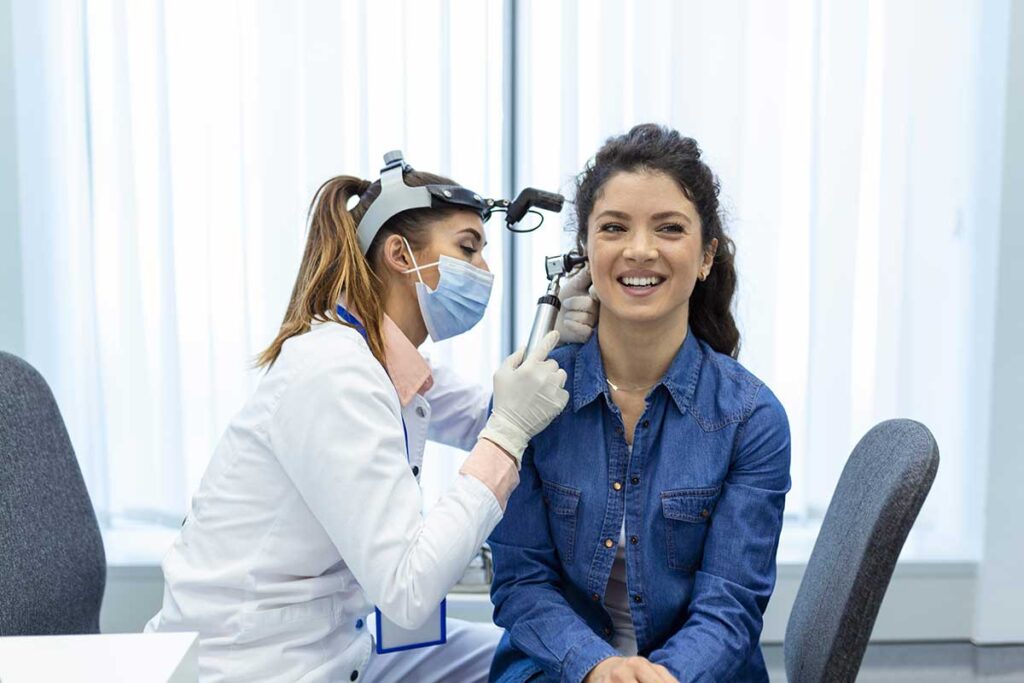
Why can concerts damage hearing?
Concerts and other amplified events can expose the ears to sound intense enough to cause temporary or permanent injury. Risk depends on both loudness and time: a shorter period near a speaker can be more hazardous than a longer period farther away.
A simple warning sign is difficulty speaking with someone standing about three feet away. If conversation requires shouting, the sound level may be high enough to harm hearing, especially when exposure continues for hours. Noise exposure can lead to muffled hearing, ringing or buzzing, sound sensitivity, and difficulty understanding speech. ([cdc.gov](https://www.cdc.gov/hearing-loss/prevention/?utm_source=openai))
A temporary “dull” or blocked feeling after an event is not proof that the ears are fine. It may indicate that the auditory system has been overstressed. Repeated temporary symptoms can increase the risk of lasting hearing changes.
What should someone do before attending an event?
The most effective protection combines distance, hearing protection, and breaks. Planning ahead is particularly useful for outdoor summer events, indoor performances, seasonal community gatherings, and activities where leaving the loudest area may be difficult.
Before leaving home:
- Pack earplugs or earmuffs for every person attending, including children.
- Consider the expected duration of the event and plan time away from the loudest area.
- If attending with a child, identify a quieter place where the child can take breaks.
- Avoid adding more loud exposure immediately before or after the event, such as high-volume music in a vehicle.
- Bring properly fitting hearing protection rather than assuming it will be available at the venue.
Children may be more vulnerable because their ears are smaller and they may not recognize discomfort early. Young children should be supervised closely and should not remain near loudspeakers for extended periods.
Are concert earplugs better than ordinary foam earplugs?
Both can reduce sound exposure when fitted correctly. The best choice is the one that fits securely and stays in place.
Foam earplugs can provide substantial protection when rolled, inserted, and held correctly while they expand. They may make music sound quieter or less balanced, which can cause some people to remove them.
Musician-style or “filtered” earplugs are designed to reduce sound more evenly across frequencies. They may preserve speech and music quality better, but their performance still depends on fit and proper use. They are not automatically safer simply because they are marketed for concerts.
Earmuffs can be useful for children, people who find earplugs uncomfortable, or anyone who needs hearing protection that is easier to put on correctly. They should fully cover the outer ear and maintain a comfortable seal.
Electronic noise-canceling headphones should not be treated as hearing protection unless they are specifically labeled and rated for that purpose. Noise cancellation can reduce certain background sounds, but it does not necessarily protect against the full intensity of concert sound. ([cdc.gov](https://www.cdc.gov/niosh/noise/prevent/ppe.html?utm_source=openai))
Where is the safest place to stand or sit?
Distance from speakers is one of the simplest ways to reduce exposure. Sound levels can be much higher directly in front of loudspeakers, beside speaker stacks, or near subwoofers.
Choose a position:
- Away from the main speaker arrays and side-fill speakers.
- Near the back or along the side of the audience area rather than directly in front of the stage.
- Where conversation is possible without shouting continuously.
- Near an exit or quieter area, especially when attending with children or someone with tinnitus.
The goal is not to avoid music entirely. Moving even a modest distance from the sound source can reduce the intensity reaching the ears. A sound-level meter app may provide a rough estimate, although phone measurements are not a substitute for calibrated venue monitoring.
The World Health Organization recommends that entertainment venues use sound-level monitoring, provide hearing protection, offer quiet or respite areas, and manage sound levels to reduce risk. These features can make it easier for attendees to protect their hearing without missing the event. ([who.int](https://www.who.int/publications/i/item/9789240043114?utm_source=openai))
How often should someone take a quiet break?
A practical approach is to leave the loudest area regularly rather than waiting for ringing or discomfort. A short break in a quiet location gives the ears time away from the sound, although it does not erase exposure that has already occurred.
For a long event, consider taking breaks between sets, during intermissions, or every 30 to 60 minutes. The louder the environment, the more often breaks may be needed.
Noise risk increases as sound levels rise. NIOSH’s occupational guidance uses an 85-decibel average over eight hours and recommends cutting exposure time in half for every 3-decibel increase. This standard is designed for workplace exposure rather than a personal concert limit, but it illustrates why a very loud event can use up a person’s daily noise tolerance quickly. ([cdc.gov](https://www.cdc.gov/niosh/bulletin/2016/noise.html?utm_source=openai))
What about ringing ears after a concert?
Ringing, buzzing, muffled hearing, or a feeling of fullness after an event should be treated as a warning. Avoid additional loud sound until hearing returns to normal, and use hearing protection during unavoidable noise.
Persistent or worsening symptoms deserve medical attention, particularly if they occur in only one ear, are accompanied by dizziness, involve sudden hearing loss, or do not improve after rest. Sudden hearing changes should be evaluated promptly rather than assumed to be temporary.
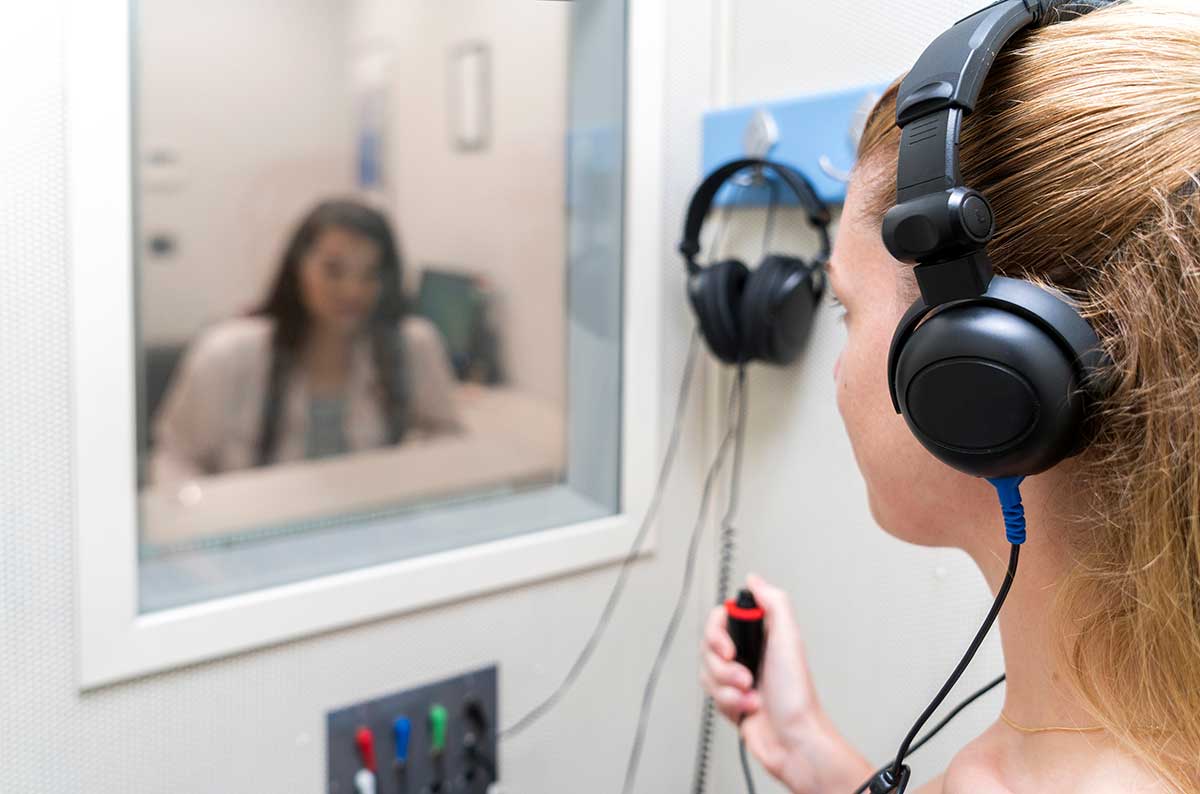
An audiologist can assess hearing sensitivity and help determine whether symptoms are consistent with noise exposure, tinnitus, earwax blockage, infection, or another condition. Protection strategies may need to be adjusted for people who already have hearing loss, tinnitus, hyperacusis, or a history of ear surgery.
How can families protect hearing at outdoor events?
Outdoor settings may feel safer because sound disperses more easily, but amplified music, fireworks, engines, and temporary speaker systems can still create hazardous exposure. Open-air events can also make it harder to judge loudness because there are fewer walls to reflect sound.
For families in Lebanon, practical precautions include carrying hearing protection during warm-weather festivals and evening gatherings, keeping infants away from speaker equipment, and using earmuffs that remain comfortable in changing weather. During colder months, hats or winter earmuffs may interfere with the seal of hearing protectors, so fit should be checked rather than assumed.
Do not rely on a child saying that the sound is too loud. Watch for covering the ears, crying, withdrawal, unusually quiet behavior, or difficulty following conversation. These signs suggest that the child may need a quieter location or should leave the event.
What is the simplest safe-listening plan?
A dependable plan is:
- Use hearing protection from the beginning, not only after discomfort starts.
- Stay as far from speakers as practical.
- Take regular quiet breaks.
- Limit the total time spent in the loudest area.
- Avoid stacking multiple noisy activities on the same day.
- Treat ringing or muffled hearing as a signal to stop and rest.
Enjoying live music does not require ignoring hearing health. Small changes in location, timing, and protection can reduce unnecessary exposure while allowing people to remain part of the event.