

 See My Latest Article on HelloNation

Why Do Residents of Lebanon, PA Need Hearing Tests?
A hearing test is a routine evaluation performed to check how well a person can hear different sounds and tones. Local residents may consider a hearing test if they are experiencing difficulty hearing conversations, asking others to repeat themselves often, turning up the television to higher volumes, or noticing ringing in their ears. Age, noise exposure from local industries, and common health changes can all play a part in changing hearing over time in this region.
What Should You Bring and How Should You Prepare?
A standard hearing test requires very little preparation. For adults and children alike, bringing a list of any medications, hearing concerns, and prior hearing-related symptoms is useful for the professional conducting the test. If a family member or friend is available, having someone who can describe what they’ve noticed in your hearing changes can sometimes help, especially for seniors in the area. Try to arrive with clean ears—excess earwax can sometimes affect test results. Let the examiner know of any recent illnesses or infections, as these may also influence hearing temporarily.
What Happens First: The Initial Conversation
The appointment usually begins with a detailed discussion about your hearing health. The examiner will ask about:
- Ear infections or ringing in the ears (tinnitus)
- Family history of hearing loss
- Recent noise exposure—such as from local manufacturing, farming equipment, or recreational vehicles
- Medical conditions or treatments that could affect hearing, like diabetes or certain antibiotics
This brief conversation helps the professional personalize the rest of the evaluation and spot possible causes of hearing changes unique to area lifestyles.
What Physical Exam Steps Are Part of a Hearing Test?
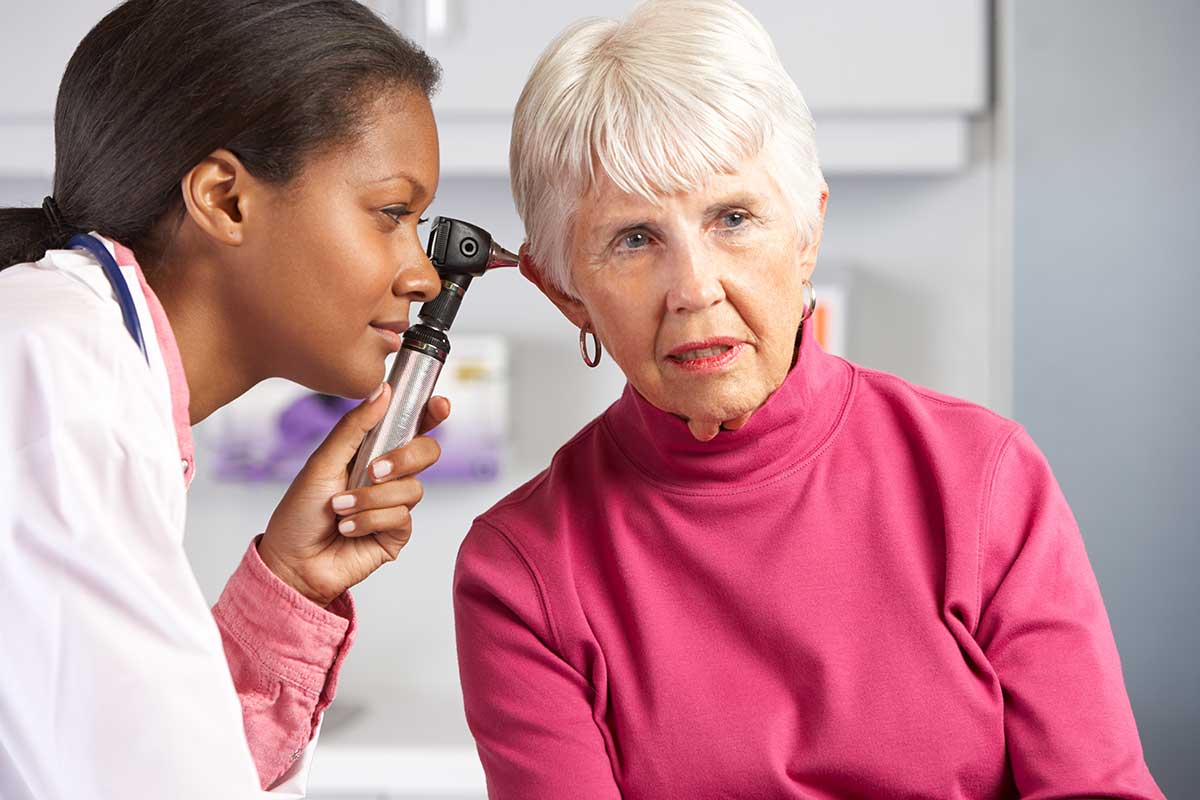
A visual examination (otoscopy) is typically the first step. The examiner uses a small handheld device to look into your ears and confirm that the ear canal and eardrum are healthy, clear of wax, fluid, or infection. This is a quick and painless process that helps rule out blockages commonly found after the allergy-heavy local spring or following seasonal colds.
How Is Your Hearing Actually Tested?
Hearing ability is measured in a soundproof booth or quiet room. Wearing special headphones or earplugs, you will be asked to listen for and respond to a series of tones and spoken words. The examiner will:
- Play beeping sounds at various pitches (high-to-low frequencies) and volumes (loud-to-soft)
- Ask you to press a button or raise your hand every time you hear a sound
- Sometimes test each ear separately and together
- Play recorded words at different volumes and ask you to repeat them
Some clinics use a device called a bone conductor, which rests against the bone behind the ear and tests whether sounds are transmitted through your inner ear structures.
What Does the Hearing Test Measure?
The results are shown on a chart called an audiogram, which maps the quietest sounds you can hear at each frequency. This helps identify whether the hearing loss affects some pitches more than others (which may happen with aging or noise exposure in local workplaces) and whether it affects one or both ears.
Speech testing helps assess how well you understand words at normal volume and in quiet versus noisy environments—such as busy farmer’s markets or community events.
How Long Does a Typical Hearing Test Take?
For most adults and older children, a typical hearing assessment from start to finish takes about 30 to 60 minutes. Exams for young children may differ and might be a bit longer if the child needs more time to get comfortable or follow instructions. If you or a family member have mobility concerns or require additional communication accommodations, the professional can usually tailor the process as needed—something especially helpful for area seniors and those in care homes.
What Happens After the Test? Understanding Your Results
Once the test is complete, the results are explained during the same visit. The examiner will describe:
- The type and degree of hearing loss (if present)
- Whether it is likely caused by the ear canal, middle ear, or inner ear
- What these results might mean for communication in daily life, such as in Lebanon homes with open floor plans or during church services and community gatherings
If hearing loss is detected, next steps are discussed. These may include more detailed tests, medical evaluation, or practical communication tips tailored to the area’s day-to-day settings.
Does Insurance Cover Hearing Tests in Lebanon, PA?
Coverage for hearing evaluations can vary. Many insurance plans provide full or partial coverage for diagnostic hearing tests, particularly for children and older adults. Residents should check with their insurance provider about what’s included under their plan, as deductibles and covered test types may change from year to year.
Are There Common Concerns or Misconceptions Locally?
Some households may worry that hearing tests are uncomfortable or difficult; in truth, they are non-invasive and do not involve pain or needles. Others may believe that only older adults need hearing checks, but exposure to workplace or recreational noise has led to rising rates of hearing changes in younger age groups throughout this and other small cities. Avoiding a hearing evaluation out of embarrassment or fear often delays helpful guidance.
How Often Should Local Residents Have Their Hearing Checked?
The frequency of recommended hearing exams depends on age, employment, family history, and health conditions. Many adults over 60 benefit from a hearing test every two to three years, while those with ongoing symptoms, certain medical conditions, or a history of regular loud noise exposure may need more frequent checks. School-aged children often receive screenings through local schools, but a more thorough professional evaluation may be needed if parents or teachers suspect any difficulty.