

 See My Latest Article on HelloNation
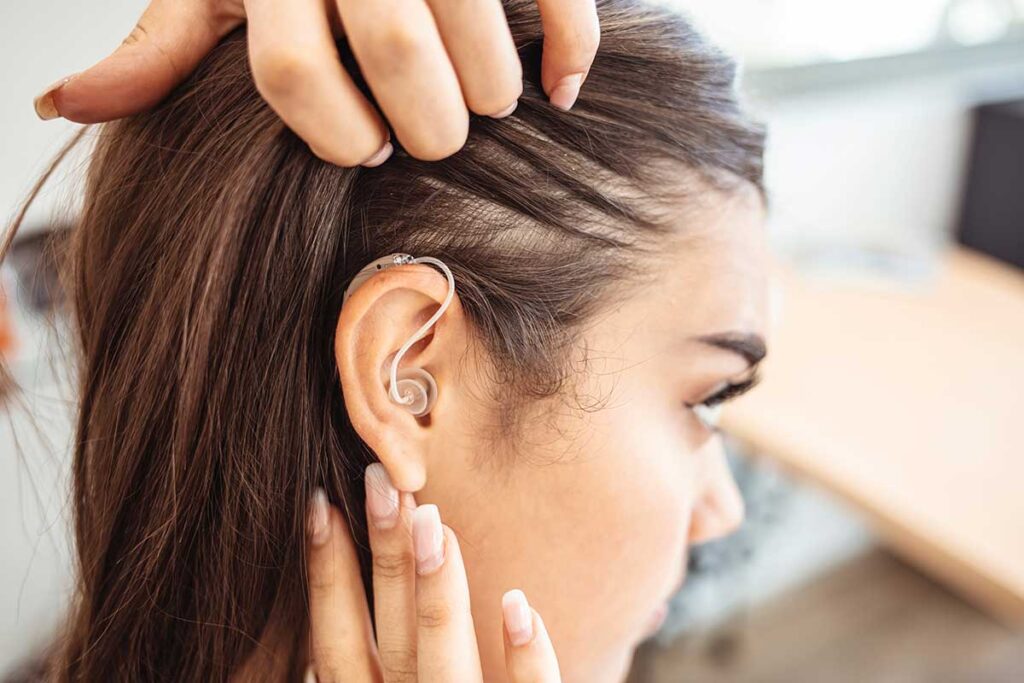
How Can You Tell if Your Hearing Is Getting Worse?
Many people in Lebanon, PA may not immediately notice when their hearing begins to change. Hearing decline often happens gradually, and early signs can be subtle. Paying attention to signals in everyday life, especially during conversations at home or in community spaces, can help area households spot changes before they become more disruptive.
Common indicators include:
- Frequently asking others to repeat themselves, even in quiet settings
- Difficulty following group discussions or community gatherings
- Turning up the television or radio noticeably higher than others prefer
If these experiences sound familiar, they may warrant further attention.
Why Do People in the Area Overlook Signs of Changing Hearing?
Early hearing decline is easy to dismiss as background noise or distractions typical in busy local households. People sometimes adjust unconsciously—sitting closer to speakers at church or meetings, or preferring quiet restaurants—rather than suspecting an issue with their own hearing ability. This adaptability means the underlying issue might go unnoticed for some time.
- Residents may blame muffled sounds on crowded rooms or poor acoustics in older local buildings.
- Family members might attribute missed words to being distracted rather than a sensory change.
Understanding that gradual decline is common can help local residents catch subtle changes earlier.
Are Ringing Ears or Sensitive Reactions to Noise Common Warning Signs?
Yes, sensations such as ringing or buzzing in the ears (called tinnitus) and increased sensitivity to ordinary sounds can sometimes signal early changes in hearing. In Lebanon, everyday noise—from outdoor activities, nearby traffic, or seasonal yard work—may seem unusually loud or irritating.
- Tinnitus can come and go or persist for longer periods.
- Sensitivity may lead to avoiding busy gatherings, parades, or local fairs.
While these symptoms can arise from many causes, noticing them alongside communication difficulties is often worth attention.
How Do Changes in Social Life Signal Hearing Decline?
If attending family dinners, community events, or volunteer meetings feels less enjoyable because conversation is hard to follow, that can be a sign of changing hearing. Some area residents may feel left out or avoid social activities, mistaking their withdrawal for a personality change rather than a sensory challenge.
Warning examples:
- Avoiding busy venues or group settings where background noise is present
- Feeling embarrassed to ask for repetition or clarification
- Nodding or smiling rather than joining in conversations, especially in familiar local groups
Social withdrawal is a practical clue that the ears may need closer attention.
Do Others Often Comment on the Volume of Your Electronics or Voice?
If family, neighbors, or friends remark that the television, radio, or even your own speaking voice is louder than usual, it may point to hearing decline. In the close-knit neighborhoods common in the city, these observations often come from those spending time together daily.
A few examples:
- Neighbors can hear your television through walls that previously dampened sound
- Family members turn down devices after you adjust them up
- Friends gently mention you’re speaking at a higher volume during phone calls or in quiet settings

Feedback from others is often an early signal, as those close to you may notice changes sooner than you do.
What Conditions in Local Homes Can Expose Early Hearing Difficulties?
Older homes in Lebanon sometimes have more echo, while multi-generational living or open-concept designs can create noisy environments. If it becomes harder to understand someone across a kitchen, from another room, or with the TV on, it could reflect a developing issue.
Seasonal activities, like outdoor gatherings or community events, can also highlight trouble understanding speech amid background noise—a common sign people may overlook.
Are There Misconceptions About What Hearing Decline Looks Like?
A common misconception is that hearing loss means complete deafness or only affects the very elderly. In reality, hearing can change at any age, sometimes first affecting the ability to detect certain pitches or letters.
Signs often missed include:
- Trouble discerning softer consonants (like “s,” “f,” or “th” sounds), making speech sound mumbled
- Difficulty hearing phone conversations compared to in-person dialogue
- Missing subtle environmental sounds, such as the beeping of kitchen appliances, distant doorbells, or whispered voices
Relying only on the notion that “everything sounds fine if it’s loud enough” can cause gradual changes to go unnoticed.
When Should Residents Be Concerned About Safety?
Hearing changes can affect safety, such as missing alarms, doorbells, or someone calling from outside. Area households, particularly those with children or older adults, should be extra alert if family members begin missing these important sounds, especially during seasons when windows are open and environmental noise increases.
Commonly noticed challenges:
- Not hearing smoke or carbon monoxide alarms promptly
- Missing car horns, sirens, or people approaching from behind when walking outdoors
- Overlooking sounds of running water, which could lead to unintentional flooding or waste
Recognizing the potential for safety concerns helps area residents prioritize early recognition.
What Are Next Steps If Hearing Changes Seem Likely?
Recognizing signs early allows people to make lifestyle adjustments, protect remaining hearing, and stay connected with their community life. Self-awareness and open communication with those around you are practical first steps. If symptoms persist or interfere with daily activities, it’s sensible to seek resources that provide further information or community support.