

 See My Latest Article on HelloNation

Hearing problems often develop gradually, which makes early changes easy to dismiss. A person may still hear voices, television, or household sounds but struggle with clarity, especially in busy or noisy settings.
Recognizing subtle changes early can help identify treatable ear conditions, reduce communication difficulties, and protect hearing from further damage.
What are the first signs of hearing trouble?
The earliest warning sign is often difficulty understanding speech rather than an inability to hear sound. Voices may seem muffled, unclear, or unusually soft.
Common clues include:
- Asking people to repeat themselves frequently
- Increasing the volume on the television, radio, or phone
- Having trouble following conversations in restaurants, family gatherings, or other busy places
- Misunderstanding words that sound alike, such as “f” and “s”
- Relying on lip-reading or watching facial expressions to follow a conversation
- Finding telephone conversations more difficult than in-person conversations
- Missing doorbells, timers, alarms, birds, or other high-pitched sounds
- Feeling that people mumble, even when others understand them
- Avoiding group conversations because they require too much concentration
Hearing loss does not always affect every sound equally. Higher-pitched sounds are often affected first, which can make speech sound incomplete even when the overall volume seems adequate.
Why is hearing speech in noise often difficult first?
Background noise can reveal a hearing problem before quiet conversations do. In a silent room, a person may understand one speaker reasonably well. Add dishes, traffic, several conversations, heating equipment, or music, and important speech sounds can become difficult to separate from the surroundings.
This is common because understanding speech depends on hearing small differences between consonants, word endings, and changes in volume. A person may hear that someone is talking but miss the exact words.
In Lebanon, PA, seasonal routines can create varied listening conditions. Outdoor equipment, home repairs, winter heating systems, community gatherings, and noisy recreational activities may all add to a person’s overall sound exposure. Hearing difficulty that appears mainly during these situations still deserves attention.
Can ringing in the ears be an early warning sign?
Yes. Ringing, buzzing, humming, hissing, or other sounds without an outside source are commonly called tinnitus. Tinnitus may occur briefly after loud noise, but repeated or persistent symptoms can signal irritation or injury within the hearing system.
Pay closer attention if ringing:
- Lasts for hours after loud sound exposure
- Occurs regularly
- Affects sleep or concentration
- Happens mainly in one ear
- Pulses in time with the heartbeat
- Appears along with dizziness, pressure, pain, or reduced hearing
Tinnitus does not always mean permanent hearing loss. It can also be associated with earwax blockage, medication effects, ear infections, jaw tension, or other conditions. The pattern and accompanying symptoms help determine what should happen next.
What changes might family members notice first?
People with gradual hearing loss may not recognize the change because the adjustment happens slowly. Relatives, coworkers, or friends may notice communication changes earlier.
A family member may observe that someone:
- Responds incorrectly to simple questions
- Watches faces closely while others speak
- Frequently says “what?” or “huh?”
- Turns one ear toward the speaker
- Uses the television at a volume others find uncomfortable
- Withdraws from group discussions
- Seems distracted or unresponsive when called from another room
- Becomes tired, frustrated, or irritable after conversations
These behaviors should not automatically be blamed on aging, attention, or memory. Difficulty hearing can look like confusion or disengagement, especially in crowded rooms.
Are children and teenagers affected differently?
Children may not describe hearing difficulty clearly. Instead, warning signs can appear as changes in speech, school performance, behavior, or social interaction.
Possible signs include:
- Delayed speech or unclear pronunciation
- Frequently asking for repetition
- Difficulty following classroom instructions
- Sitting unusually close to screens
- Not responding when called from another room
- Speaking much louder than expected
- Trouble hearing in a classroom or group setting
- Complaints that ears feel blocked, painful, or full
- Sudden changes after a loud event
Ear infections, fluid behind the eardrum, congenital conditions, and noise exposure can all affect a child’s hearing. A child who appears not to listen may actually be missing parts of spoken language.
How can loud noise cause early hearing changes?
Noise-related hearing damage may build gradually, and pain is not required for injury to occur. Repeated exposure to loud equipment, power tools, firearms, amplified music, sporting events, fireworks, or high-volume headphones can affect hearing over time.
A practical warning sign is needing to raise the voice to speak with someone standing nearby. Ringing or dull, flat hearing after leaving a noisy environment also suggests that the ears have been stressed.
Hearing protection is especially useful during activities involving lawn equipment, home renovation, workshop tools, or other loud machinery. Moving farther from the sound source, taking quiet breaks, and lowering device volume can also reduce exposure.
When is a hearing change urgent?
Sudden hearing loss should be treated as a medical emergency, particularly when it affects one ear or develops over several hours or a few days. A person may notice a blocked sensation, ringing, dizziness, or a sudden “pop,” and may mistakenly assume the problem is caused by allergies, congestion, or earwax.
Prompt medical evaluation is needed for sudden or rapidly worsening hearing changes. Urgent attention is also appropriate for hearing loss accompanied by severe dizziness, facial weakness, significant ear drainage, serious pain, or a head injury.
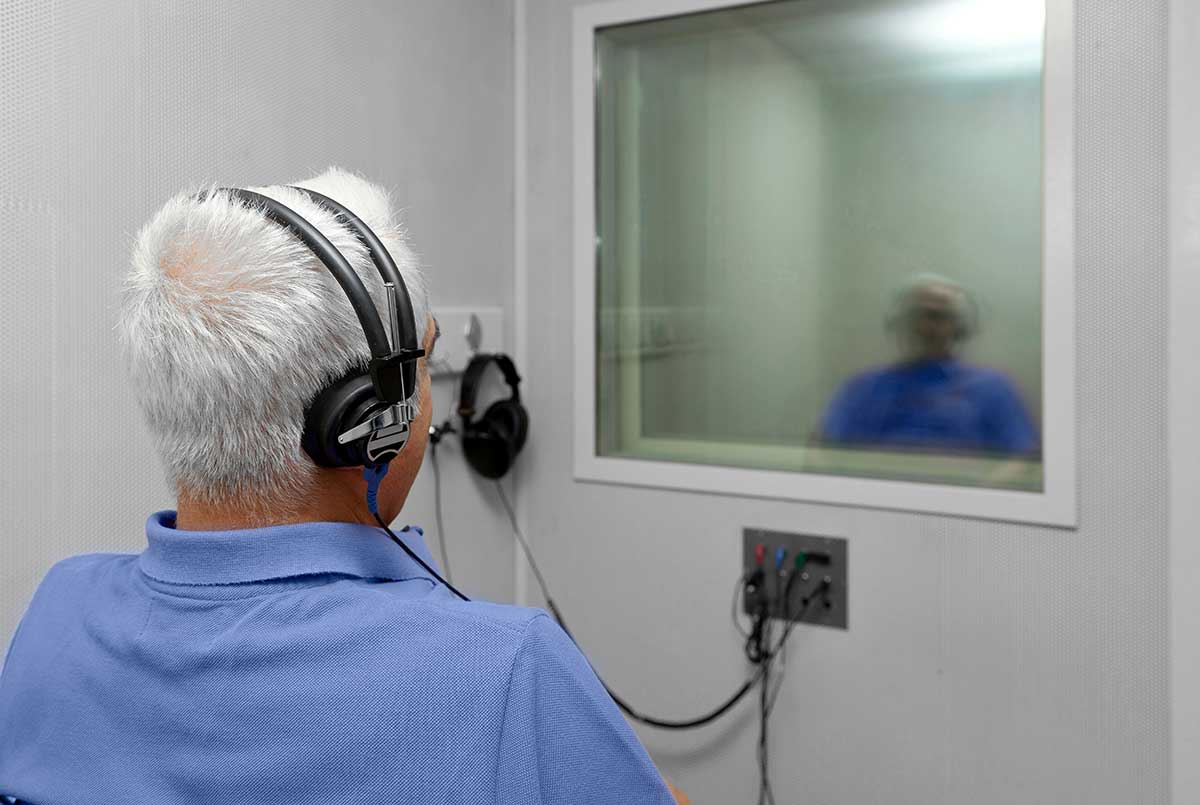
A gradual hearing concern is usually not an emergency, but it should not be ignored indefinitely. An audiologist can measure hearing sensitivity, determine whether one or both ears are affected, and help distinguish difficulty hearing from difficulty understanding speech. Medical evaluation may be needed when symptoms suggest infection, blockage, trauma, sudden loss, or another ear disorder.
What should residents do after noticing these signs?
Start by observing the pattern rather than relying on a single difficult conversation. Note whether the problem occurs in quiet rooms, noisy settings, over the phone, or only after loud sound exposure.
It can help to write down:
- Which situations are most difficult
- Whether one ear seems worse
- How long the change has been present
- Any ringing, pressure, pain, drainage, or dizziness
- Recent loud-noise exposure
- Medications or illnesses that began around the same time
Avoid putting cotton swabs or other objects deep into the ear canal. They can push wax farther inward or irritate delicate tissue. Hearing changes should not be self-diagnosed solely by turning up the volume or testing one ear with a phone.
Early attention is useful because some causes are temporary or treatable, while others are easier to manage before communication becomes more difficult. A hearing check can provide a clearer answer than waiting for the problem to become obvious.