

 See My Latest Article on HelloNation
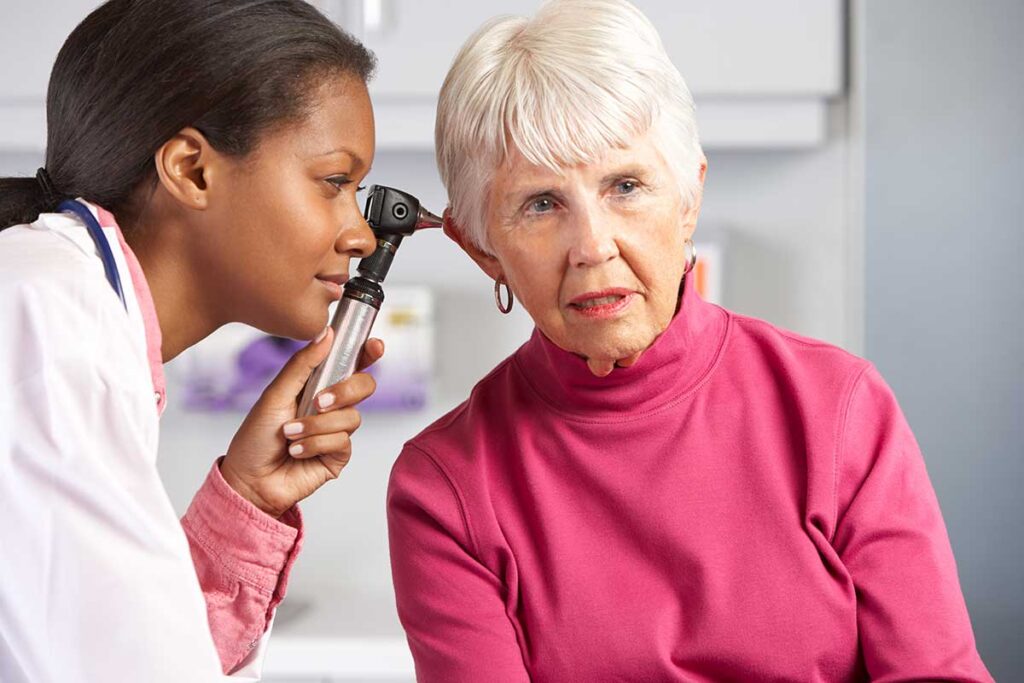
Hearing loss and deafness are related terms, but they do not mean exactly the same thing. Hearing loss describes a reduced ability to hear, while deafness generally refers to a more significant or profound loss of hearing. Both can affect communication, safety, education, work, and everyday independence, but the experience varies widely from person to person.
What is hearing loss?
Hearing loss means that sounds are not heard as clearly, softly, or consistently as they once were. It may affect one ear or both ears, and it can range from mild to profound.
Someone with mild hearing loss may hear face-to-face conversation but miss quiet speech, distant voices, or parts of a discussion in a busy room. A person with moderate hearing loss may have difficulty following ordinary conversation without visual cues or increased volume. Severe or profound hearing loss can make spoken communication difficult or impossible without assistive technology, sign language, speechreading, or other communication methods.
Hearing loss may be:
- Temporary, such as hearing difficulty caused by earwax buildup, fluid, or an ear infection
- Permanent, such as age-related changes or damage from long-term noise exposure
- Sudden, developing over hours or days
- Gradual, becoming noticeable over months or years
- Unilateral, affecting one ear
- Bilateral, affecting both ears
The term “hearing loss” is broad. It does not describe a single condition or predict exactly how a person communicates.
What does deafness mean?
Deafness is commonly used to describe severe or profound hearing loss. In everyday speech, it may refer to someone who hears very little or no sound. However, the meaning depends on context and on the individual’s identity and communication preferences.
Some people use Deaf, with a capital “D,” to describe a cultural and linguistic identity. Deaf communities may share sign language, traditions, history, and social experiences. In this context, deafness is not simply viewed as a medical condition that needs to be corrected.
Others use “deaf” to describe the degree of their hearing loss, even if they do not identify with Deaf culture. Some people who are deaf communicate primarily through sign language, while others use spoken language, hearing technology, speechreading, writing, or a combination of methods.
A respectful approach is to follow the person’s preferred terminology rather than assuming that “hearing impaired,” “hard of hearing,” or “deaf” applies in the same way to everyone.
Is deafness the same as complete hearing loss?
No. Deafness does not always mean that a person hears absolutely nothing. Some people who describe themselves as deaf can detect certain sounds, vibrations, voices, or environmental noises. The amount of usable hearing may differ greatly.
Hearing ability is often measured through an audiogram, which shows the softest sounds a person can hear at different pitches. The results may help describe the degree and type of hearing loss, but an audiogram does not fully explain how a person functions in daily life.
For example, two people with similar test results may have different experiences because of differences in speech understanding, background noise, health, communication habits, or access to visual information.
How are hearing loss and deafness classified?
Audiologists generally describe hearing loss by its degree, type, and pattern.
The degree may be described as:
- Mild
- Moderate
- Moderately severe
- Severe
- Profound
The type may be:
- Conductive hearing loss, involving the outer or middle ear
- Sensorineural hearing loss, involving the inner ear or auditory nerve
- Mixed hearing loss, involving both conductive and sensorineural factors
The pattern also matters. Hearing may be worse at high pitches than low pitches, or the reverse. A person may hear sounds but have difficulty understanding speech, especially when several people are talking or when rooms are reverberant.
This is why turning up the television does not always solve the problem. Louder sound may remain unclear if the main difficulty involves speech clarity or inner-ear damage.
What causes hearing loss or deafness?
The causes vary by age and situation. Common contributors include:
- Natural changes in the inner ear over time
- Repeated exposure to loud tools, machinery, music, or firearms
- Ear infections or fluid
- Earwax blockage
- Head injuries
- Certain medications
- Genetic conditions
- Illnesses affecting the ear or nervous system
- Complications present at birth
In Lebanon, PA, seasonal outdoor work, home repairs, yard equipment, hunting, and other activities involving loud equipment can create repeated noise exposure. Snow removal equipment and power tools may also produce sound levels that can damage hearing without adequate protection.
Hearing protection is most useful when it is worn consistently and fits the activity. Earplugs or earmuffs should not be treated as a substitute for reducing the volume or limiting the time spent around loud noise.
What signs suggest a person may have hearing loss?
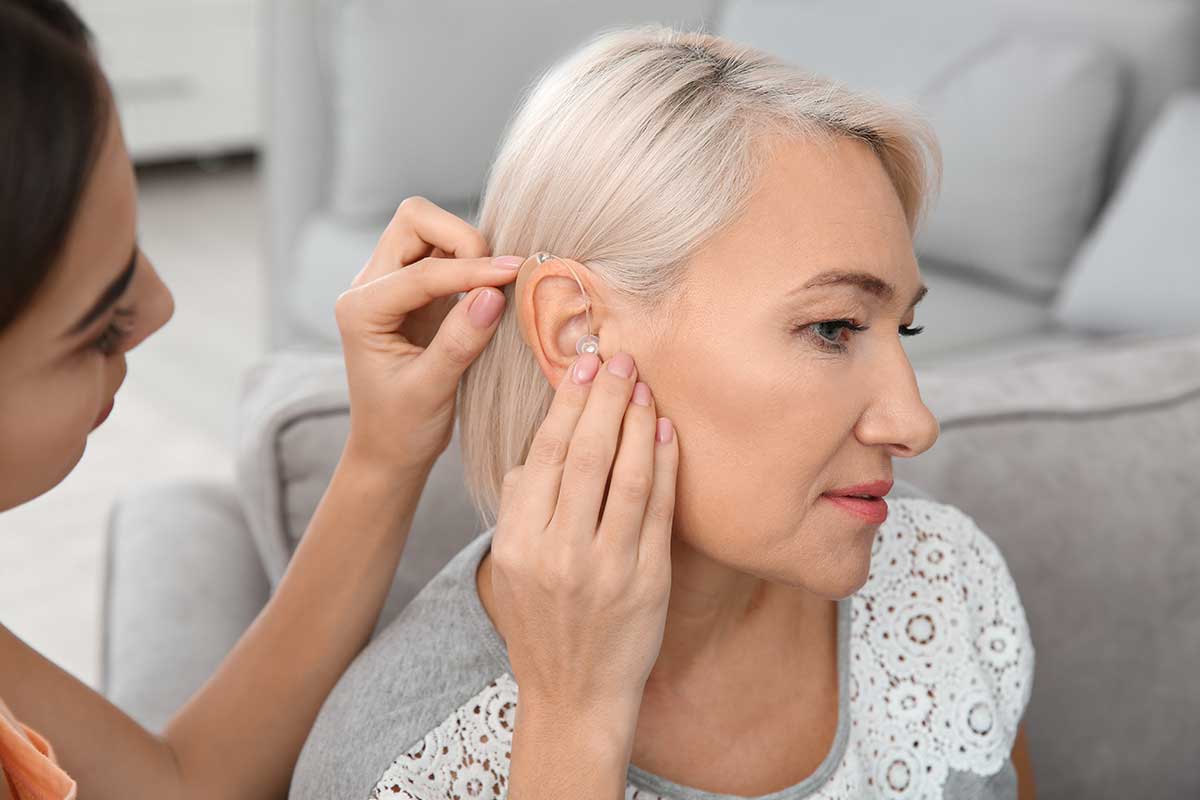
Hearing loss often develops gradually, so the first signs may be subtle. Possible indicators include:
- Frequently asking others to repeat themselves
- Turning up television or phone volume
- Difficulty hearing children or higher-pitched voices
- Trouble following conversations in restaurants, meetings, or family gatherings
- Relying heavily on lip-reading or watching a speaker’s face
- Feeling that people mumble
- Avoiding group conversations
- Missing alarms, doorbells, or approaching vehicles
- Experiencing ringing, buzzing, or other sounds in the ears
A person may hear that someone is speaking but not understand the words. This distinction is common and can be especially frustrating in rooms with hard surfaces, background noise, or several competing voices.
When does hearing loss require prompt attention?
Sudden hearing loss in one or both ears should be treated as urgent, particularly if it develops over a short period. Prompt medical evaluation may be needed because some causes are time-sensitive.
Other symptoms that deserve timely attention include new dizziness, severe ear pain, drainage, facial weakness, a recent head injury, or a sudden change in one-sided hearing. Children with delayed speech, inconsistent responses to sound, or frequent ear problems also need timely evaluation.
Routine hearing concerns are not usually emergencies, but postponing assessment for years can make communication problems more disruptive. Hearing changes may also affect balance, social participation, school performance, workplace safety, and the ability to hear warning signals at home.
Can someone be both hard of hearing and deaf?
Yes. These terms are not always mutually exclusive. A person may describe themselves as hard of hearing in some settings and deaf in others, depending on how much hearing is available, which communication method is being used, and how the person identifies.
A person with significant hearing loss may use hearing aids or cochlear implants and still identify as Deaf. Another person may have a similar level of hearing loss and identify as hard of hearing. The appropriate language is personal rather than determined only by a test result.
How can households communicate more effectively?
Clear communication helps whether hearing loss is mild, severe, or profound. Useful habits include:
- Face the person before speaking.
- Keep your mouth visible and use ordinary speech.
- Reduce television, fan, and appliance noise when possible.
- Use good lighting, especially during evening conversations.
- Avoid speaking from another room.
- Rephrase a statement instead of repeating the same unclear words.
- Confirm important information in writing or by text.
- Use captions for television and online videos.
- Make sure emergency alerts and alarms have visual or vibrating options when needed.
These adjustments benefit everyone, including older adults, people recovering from illness, and visitors who may not hear well in unfamiliar environments.
Understanding the difference between hearing loss and deafness makes it easier to discuss communication needs without making assumptions. Hearing ability exists on a broad spectrum, and the most useful description is the one that accurately reflects both the person’s hearing experience and preferred way of communicating.