

 See My Latest Article on HelloNation
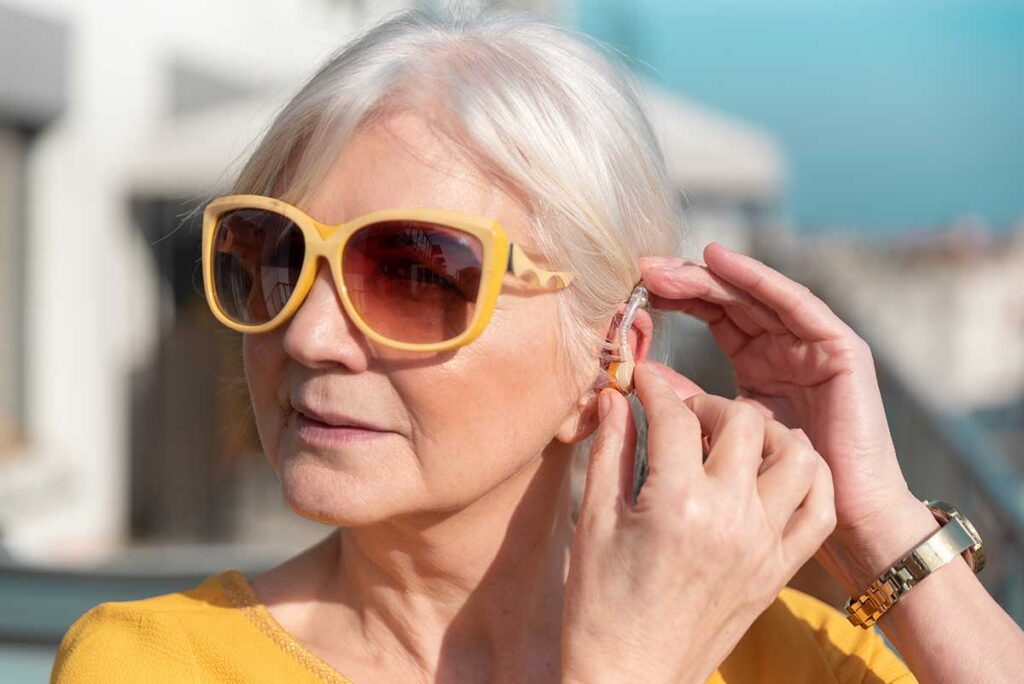
Loud sound can damage hearing gradually or suddenly, depending on its intensity, duration, and whether it includes impact or impulse noise. The right hearing protection is not simply the product with the highest number on the package; it is the option that fits correctly, works for the situation, and can be worn consistently.
For residents of Lebanon, hearing protection may be useful during home repairs, woodworking, lawn and landscaping work, recreational shooting, concerts, sporting events, and workplace activities. Seasonal routines can also affect comfort. Earmuffs may feel warm during humid summer projects, while gloves, hats, safety glasses, and winter headwear can interfere with the fit of plugs or muffs.
How can you tell when hearing protection is needed?
A practical warning sign is difficulty speaking with someone nearby without raising your voice. If a sound feels physically uncomfortable, causes ringing, or leaves hearing temporarily muffled, it may be loud enough to pose a risk.
Risk depends on both loudness and exposure time. A brief, intense sound such as a gunshot, firework, or explosive impact can be hazardous even if it lasts only a moment. Repeated exposure to power tools, engines, machinery, or amplified music can also cause permanent hearing changes over time.
Hearing protection is especially appropriate when:
- You need to shout to be heard at arm’s length.
- Noise continues for more than a few minutes.
- The sound causes ringing or muffled hearing afterward.
- The activity involves impact noise or sudden bursts.
- You are working near machinery or tools with uncertain noise levels.
- Children are attending a loud event or using noisy equipment.
Protection works best when combined with quieter equipment, distance, shorter exposure periods, and breaks in a quiet area.
Should you choose earplugs or earmuffs?
Earplugs fit inside the ear canal, while earmuffs cover the entire outer ear. Neither style is automatically best for everyone.
Earplugs may be a good choice when:
- You need protection for long periods.
- You are working in warm or humid conditions.
- You also need to wear a hat, helmet, eye protection, or a respirator.
- You need a compact option that is easy to carry.
- You can learn and maintain a proper insertion technique.
Foam earplugs are widely available and can provide substantial protection when inserted correctly. Pre-formed plugs may be easier for some people, but they still need to seal the ear canal. Custom-molded plugs can be useful for people who need frequent protection or have difficulty getting a reliable fit with disposable options.
Earmuffs may be a good choice when:
- You need something that is easier to put on correctly.
- The exposure is intermittent, such as occasional tool use.
- Ear canals are sensitive, narrow, irritated, or difficult to seal.
- You need to remove and replace protection repeatedly.
- You are protecting a child who may struggle with earplug insertion.
Earmuffs can become uncomfortable in hot weather and may lose their seal around eyeglass frames, long hair, hats, or other equipment. Cushions should fully surround the ear without gaps.
What does the noise reduction rating mean?
The noise reduction rating, or NRR, is a laboratory-based estimate of how much sound a hearing protector may reduce under test conditions. It should not be treated as a guaranteed real-world result.
Actual protection can be lower if earplugs are inserted poorly, earmuff cushions do not seal, the protector shifts during activity, or the device is worn only part of the time. A high NRR does not compensate for a poor fit.
For workplace exposures, noise levels and exposure duration should be evaluated rather than relying only on the package label. Employers covered by occupational safety requirements may need to provide hearing protection, training, and a hearing conservation program when noise exposure reaches regulated levels.
A protector with a slightly lower rating that is worn correctly may provide more practical protection than a higher-rated option that feels painful, slips out, or is removed frequently.
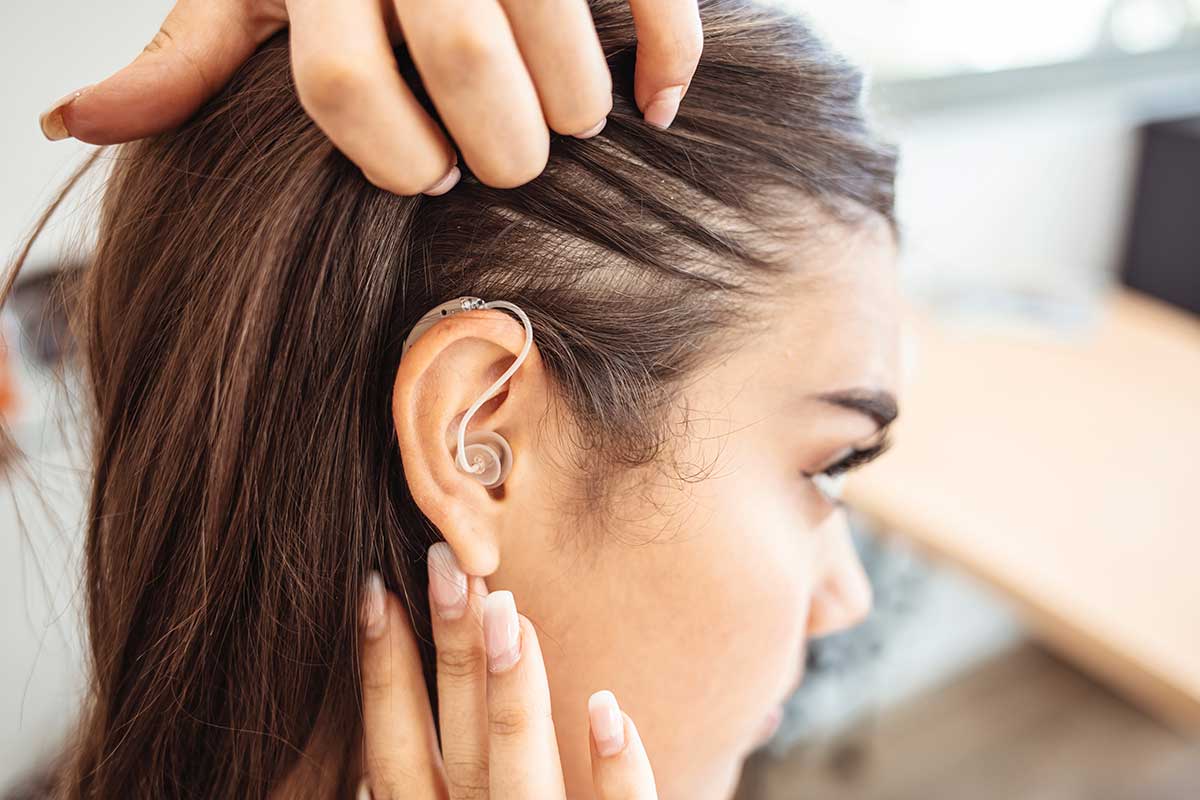
How do you insert foam earplugs correctly?
Foam plugs must expand inside the ear canal to work properly. The basic process is:
1. Roll the plug between clean fingers until it becomes a thin, smooth cylinder.
2. Reach over the head with the opposite hand and gently pull the outer ear upward and backward.
3. Insert the plug far enough to create a comfortable seal.
4. Hold it in place while it expands.
5. Check the fit by speaking or lightly tapping near the ear. Your own voice should sound somewhat different, and outside noise should be reduced.
A plug that is sticking far out, continually loosening, or allowing nearly normal sound levels is probably not fitted well. Do not force a plug into a painful or irritated ear.
Hands should be clean before handling plugs. Disposable foam plugs should be replaced when dirty, compressed, damaged, or no longer able to expand. Reusable plugs need regular cleaning according to their instructions.
When should you use both earplugs and earmuffs?
Using plugs and earmuffs together may be appropriate for very loud environments, impulse noise, or situations where one type alone may not provide enough protection. This is different from simply choosing two products with high ratings and adding the numbers together; the combined reduction does not equal the sum of both ratings.
Double protection may be worth considering for activities such as shooting, demolition, high-powered equipment use, or work around exceptionally loud machinery. It should not create a false sense of security. Distance, barriers, equipment maintenance, and limiting exposure time remain important.
For impact noise, electronic hearing devices should not be assumed to provide hearing protection merely because they reduce background noise or play audio. A device should be specifically labeled and rated for hearing protection.
How should hearing protection fit with other safety equipment?
Protectors must work with the rest of the equipment used for the activity. Earmuffs can interfere with hard hats, helmets, safety glasses, respirators, and some eyeglass frames. Earplugs may be more compatible with headgear but require more skill to fit.
Check for these problems before starting:
- Glasses or hair lifting the earmuff seal.
- A helmet band pressing against the muff.
- A respirator strap disturbing an earplug.
- Protective clothing or winter gear covering part of the earmuff cushion.
- Communication becoming unsafe because warnings or instructions cannot be heard.
If communication is essential, consider hearing protectors designed to preserve speech or reduce loud sounds while allowing quieter sounds to remain audible. Protection should reduce hazardous sound without preventing awareness of alarms, vehicles, or instructions.
What should you do if hearing feels muffled after noise exposure?
Temporary ringing, fullness, muffling, or sound sensitivity after loud noise is a warning that the ears have been stressed. Move to a quiet setting and avoid additional loud exposure for the remainder of the day.
Persistent ringing, sudden hearing reduction, ear pain, drainage, dizziness, or hearing that does not return to normal deserves prompt medical attention. An audiologist can help assess hearing, identify whether a protector is fitting adequately, and explain options for people with unusual ear anatomy, chronic ear conditions, hearing aids, or repeated exposure to loud sound.
The most useful hearing protection is the one that matches the noise, fits the individual, remains compatible with other equipment, and is worn before—not after—the loud activity begins.