

 See My Latest Article on HelloNation
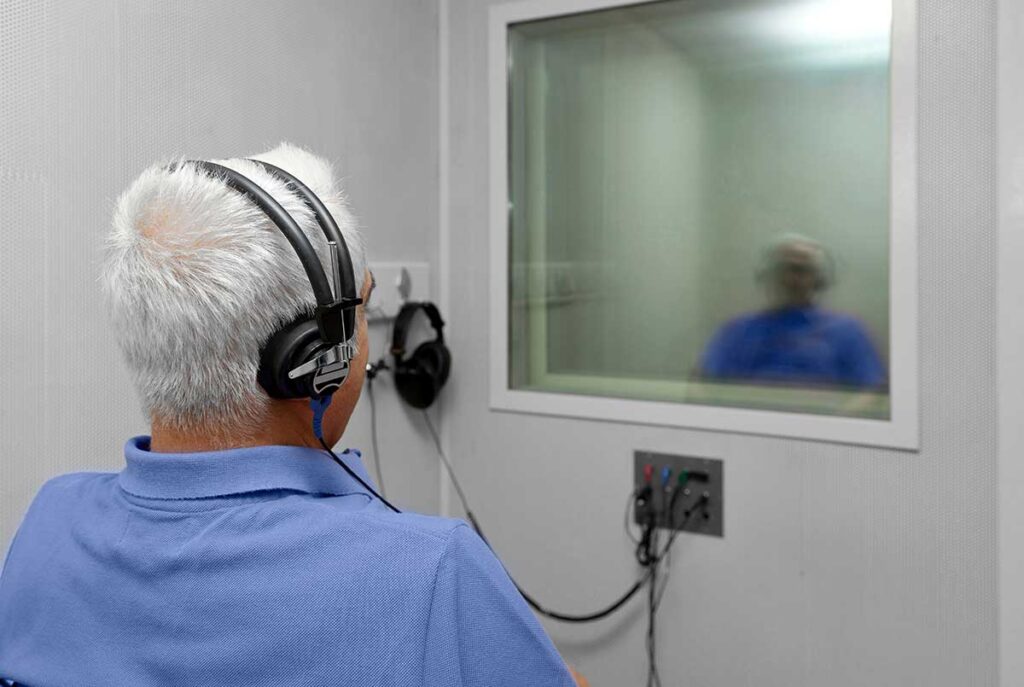
Hearing loss is often misunderstood because it can develop gradually, affect only certain sounds, or remain hidden in familiar settings. For residents of Lebanon, PA, separating fact from fiction can make it easier to recognize hearing changes, reduce preventable damage, and understand when an evaluation is appropriate.
Myth: Hearing loss only affects older adults
Fact: Hearing loss can occur at any age. Age-related changes are common, but noise exposure, ear infections, injuries, inherited conditions, certain medications, and medical conditions can affect children, teenagers, working-age adults, and older people.
A person may be exposed to loud sound through power equipment, firearms, concerts, headphones, farm machinery, workplace tools, or recreational activities. Seasonal outdoor work and home maintenance can also create repeated noise exposure. The risk depends on how loud the sound is, how long exposure lasts, and how often it occurs.
Younger people may not recognize early hearing loss because they can still hear many everyday sounds. Trouble understanding speech in a crowded room, frequently increasing headphone volume, or noticing ringing after loud activities can be an early warning sign.
Myth: Hearing loss is an unavoidable part of aging
Fact: Aging can increase the likelihood of hearing loss, but severe or disabling hearing loss is not something a person simply has to accept. Some age-related changes cannot yet be prevented, but noise-related damage is largely preventable.
Repeated exposure to sounds loud enough to require shouting can injure delicate sensory cells in the inner ear. These cells do not reliably grow back once they are permanently damaged. Reducing exposure, taking quiet breaks, moving farther from loud equipment, and using properly fitted hearing protection can help protect remaining hearing.
Aging and past noise exposure can also combine. Someone may manage well for years and later notice difficulty distinguishing speech, especially when several people are talking or background noise is present.
Myth: If a person can hear, there is no hearing loss
Fact: Hearing loss does not always mean silence or an inability to hear every sound. Many people hear voices but struggle to understand words clearly.
Early changes often affect high-pitched sounds or speech sounds that carry meaning. Conversations may seem muffled, rushed, or unclear. A person may hear that someone is speaking but miss words containing sounds such as “s,” “f,” or “th.”
Common clues include:
- Asking others to repeat themselves
- Saying that people mumble
- Turning up the television or phone volume
- Having difficulty following conversations in restaurants or group settings
- Relying more heavily on lip-reading or facial expressions
- Missing doorbells, alarms, or phone alerts
- Experiencing ringing, buzzing, or other sounds in the ears
Family members sometimes notice these patterns before the individual does.
Myth: Hearing loss is always permanent
Fact: Some causes are temporary or treatable, while others are permanent. Blocked earwax, fluid behind the eardrum, certain infections, and some middle-ear problems can reduce hearing without damaging the inner ear permanently.
By contrast, hearing loss caused by aging, prolonged noise exposure, or damage to the auditory nerve is often permanent. The distinction cannot be made reliably by symptoms alone. A hearing assessment helps determine whether the problem appears related to the outer ear, middle ear, inner ear, or auditory pathways.
Sudden hearing loss in one or both ears requires prompt medical attention, particularly if it develops over hours or a few days. Waiting to see whether it improves can delay time-sensitive treatment.
Myth: Hearing aids restore normal hearing instantly
Fact: Hearing aids can improve access to sound, but they do not recreate natural hearing. They make selected sounds more audible and may help the brain interpret speech, but background noise, distance, room acoustics, and the type of hearing loss still matter.
Adapting may take time. Sounds can initially seem unusually sharp or loud, and listening may require concentration. The benefit also depends on appropriate programming, realistic expectations, consistent use, and communication habits such as facing the speaker and reducing competing noise.
Hearing aids do not make hearing weaker or cause the ears to “depend” on amplification. They also do not prevent a person from hearing naturally when they are removed.
Myth: Hearing aids are only for people with severe hearing loss
Fact: The usefulness of hearing technology depends on communication needs, not just the degree of hearing loss. Someone with mild or moderate loss may struggle significantly in meetings, family gatherings, classrooms, places of worship, or work environments with background noise.
Two people with similar test results may experience very different challenges. One may communicate well in quiet rooms, while another may miss important details in group conversations or during emergency announcements.
Assistive options can include hearing aids, captioning, amplified telephones, remote microphones, alerting devices, and communication strategies. The appropriate option depends on the individual’s hearing pattern and daily activities.

Myth: If the television volume is high, the problem is the television
Fact: A loud television can be a sign that speech is becoming difficult to understand. People may increase volume because voices sound soft, because higher-pitched speech is harder to hear, or because dialogue is competing with music and sound effects.
Volume alone does not identify the cause. However, a persistent need to raise the volume, especially along with repeated requests for clarification, is a reasonable reason to have hearing checked.
The same applies to phone conversations. Difficulty hearing on the phone may occur because visual cues are unavailable, but it can also reveal a hearing problem that is less noticeable face to face.
Myth: Ear candling is a safe way to remove wax
Fact: Ear candling is not a proven method for clearing earwax and can cause burns, blockage, or injury. Earwax usually moves outward on its own and serves a protective purpose.
Cotton swabs, hairpins, and similar objects can push wax deeper into the canal or injure the eardrum. If fullness, reduced hearing, pain, drainage, or ringing develops, the cause may not be wax. A healthcare professional can determine whether removal is appropriate and safe.
Myth: Communication problems are only the responsibility of the person with hearing loss
Fact: Clear communication works best as a shared responsibility. Small changes can make conversations easier:
- Face the person and keep your mouth visible.
- Get attention before speaking.
- Use ordinary volume rather than shouting.
- Rephrase instead of repeating the same unclear sentence.
- Reduce background noise when possible.
- Use written details for names, times, addresses, and safety information.
- Confirm important instructions.
These steps are useful at home, at work, and in community settings throughout the year, including during busy indoor gatherings and noisy seasonal activities.
When should hearing be checked?
A hearing evaluation is worth considering when communication difficulty persists, others regularly notice a problem, or ringing follows routine noise exposure. Testing is also sensible after years of loud workplace or recreational sound, even if hearing seems acceptable.
Prompt medical evaluation is especially important for sudden hearing loss, one-sided hearing changes, severe ear pain, drainage, significant dizziness, or hearing changes following a head injury. These symptoms may require more than routine hearing management.
Recognizing the truth about hearing loss helps residents respond earlier and protect communication, awareness, and safety without treating hearing changes as a normal inconvenience that must simply be ignored.