

 See My Latest Article on HelloNation
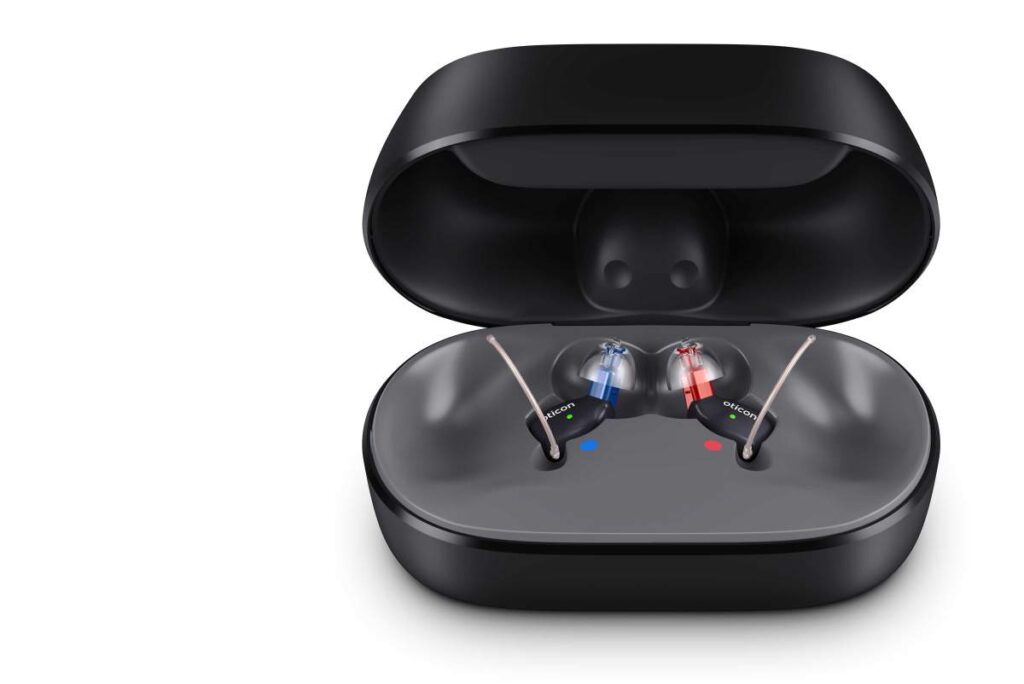
Hearing aids can make speech and everyday sounds clearer, but most people need time to adjust. New users may notice their own voice sounds different, background noise seems unusually strong, or the devices feel strange in the ears. These experiences are common and often improve with regular use, careful cleaning, and appropriate adjustments.
How long does it take to get used to hearing aids?
Many people begin adjusting within a few weeks, although the full process may take several weeks or longer. The brain must relearn how to interpret sounds that have gradually become less familiar, including soft voices, footsteps, paper rustling, dishes, traffic, and household appliances.
A consistent wearing routine usually helps more than wearing the devices only occasionally. However, discomfort should not be ignored. Hearing aids may feel noticeable at first, but they should not cause sharp pain, persistent soreness, skin irritation, or pressure that worsens over time.
A practical starting schedule might include:
- Wearing the aids for a few hours in a quiet room
- Taking a short break if the ears feel tired
- Increasing wear time gradually
- Practicing conversations with one person before entering a busy group setting
- Keeping a brief note of sounds or situations that are difficult
The goal is not to force an uncomfortable experience. The goal is to give the ears and brain repeated, manageable exposure to amplified sound.
Why does my own voice sound too loud?
A louder or “plugged up” voice is a common early complaint. This sensation is called the occlusion effect. It can occur when the ear canal is partly blocked by the hearing aid, causing the wearer’s voice to sound stronger inside the head.
Some people adapt as the brain becomes accustomed to the changed sound. In other cases, the hearing aid may need a fitting adjustment, a different dome or earmold, or a change in programming. Do not try to solve persistent voice changes by turning the volume down repeatedly. Lowering the volume may also reduce speech clarity.
Reading aloud for a few minutes each day can help the brain become familiar with the new voice quality. Speaking with a family member in a quiet room is another useful exercise.
Why do background noises seem so loud?
Hearing aids amplify more than speech. At first, users may become newly aware of refrigerator motors, furnace fans, running water, clothing movement, dishes, road noise, or conversations in nearby rooms.
This can be especially noticeable in homes with hard floors, open kitchens, high ceilings, or limited soft furnishings. Seasonal conditions can also affect comfort. Winter heating systems may add steady background noise, while summer fans and air-conditioning units may become more noticeable.
Start with calm listening environments and gradually practice in more complex settings. Helpful strategies include:
- Face the person who is speaking
- Reduce competing sound when possible
- Choose a quieter table or corner in a busy room
- Ask people to speak clearly rather than simply speaking louder
- Use the hearing aid’s listening programs as instructed
Hearing aids are designed to improve access to speech, not to eliminate every sound around the wearer. If one setting consistently makes ordinary sounds uncomfortably loud, the programming may need to be reviewed.
What should I do if the hearing aid whistles?
Whistling, also called feedback, may happen when sound escapes from the ear and is picked up again by the hearing aid microphone. Occasional feedback can occur while inserting or removing the device, hugging someone, wearing a hat, or placing a hand near the ear.
Frequent whistling may indicate:
- An improper fit
- Earwax or moisture
- A displaced hearing aid
- A damaged tube, receiver, or earmold
- A setting that needs adjustment
Remove the hearing aid and reinsert it carefully if it has shifted. Clean it only according to the care instructions provided with the device. Do not use sharp objects to clear wax or moisture. Persistent feedback should be evaluated because simply lowering the volume may not correct the cause.
How can I practice using hearing aids at home?
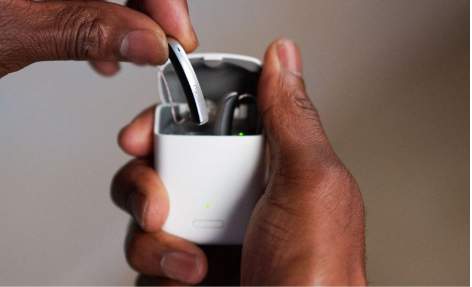
Home practice is useful because it allows new users to focus without feeling rushed. Begin with familiar activities such as listening to a family member, watching television at a comfortable volume, or identifying sounds in different rooms.
Try paying attention to where sounds come from rather than reacting to every sound equally. For example, identify whether a noise is coming from the kitchen, hallway, basement, or outdoors. This helps rebuild sound awareness and direction finding.
Reading a newspaper or book aloud can also provide speech practice. If television remains difficult, use captions while adjusting to the amplified sound. Captions are not a sign that the hearing aids are failing; they can support understanding while listening skills develop.
What if hearing aids feel uncomfortable?
Mild awareness of the devices is common during the first days. The ears may need time to adjust to having something in or behind them. Comfort should steadily improve, however.
Take the aids out if there is pain, swelling, drainage, bleeding, or a sore that does not improve. Sudden hearing changes, severe dizziness, or one-sided symptoms also warrant prompt medical evaluation.
Comfort problems may result from the physical fit rather than the hearing aid itself. An audiologist can check whether the device is positioned correctly and whether the earpiece, dome, tubing, or programming needs to be changed. Do not trim or reshape hearing aid parts at home.
How should hearing aids be cared for in Lebanon?
Moisture, perspiration, condensation, and earwax can interfere with hearing aid performance. In Lebanon, temperature changes between heated indoor spaces, cold outdoor air, and humid summer conditions may make moisture management particularly relevant.
Keep hearing aids away from:
- Showers, sinks, and swimming areas
- Direct heat from radiators, stoves, or hair dryers
- Excessive humidity
- Hairspray and other styling products
- Pets and young children who may swallow small parts
Store the devices in a dry location when they are not being worn. Follow the specific cleaning and charging instructions for the device. If the hearing aid becomes wet, do not use a microwave, oven, or direct heat to dry it.
When should a new user ask for help?
Some adjustment challenges are expected, but ongoing problems should not simply be tolerated. Ask an audiologist to review the fitting if speech remains unclear, background noise is overwhelming, feedback is frequent, or the devices cannot be worn comfortably for a reasonable period.
It is also helpful to describe specific situations rather than saying only that the hearing aids “do not work.” Explain whether the difficulty occurs during family conversations, in the car, outdoors, at worship services, while watching television, or in a crowded room. Detailed examples make it easier to identify whether the issue involves fit, volume, programming, communication habits, or expectations.
Adults are generally encouraged to have a baseline hearing evaluation around age 50, even if hearing concerns seem minor. A baseline provides a comparison point for future changes and may identify hearing patterns that are difficult to notice in daily life.
Adjusting to hearing aids is a process, not a single event. Regular use, realistic expectations, good communication habits, and timely attention to comfort or performance problems can make the transition more manageable.