

 See My Latest Article on HelloNation
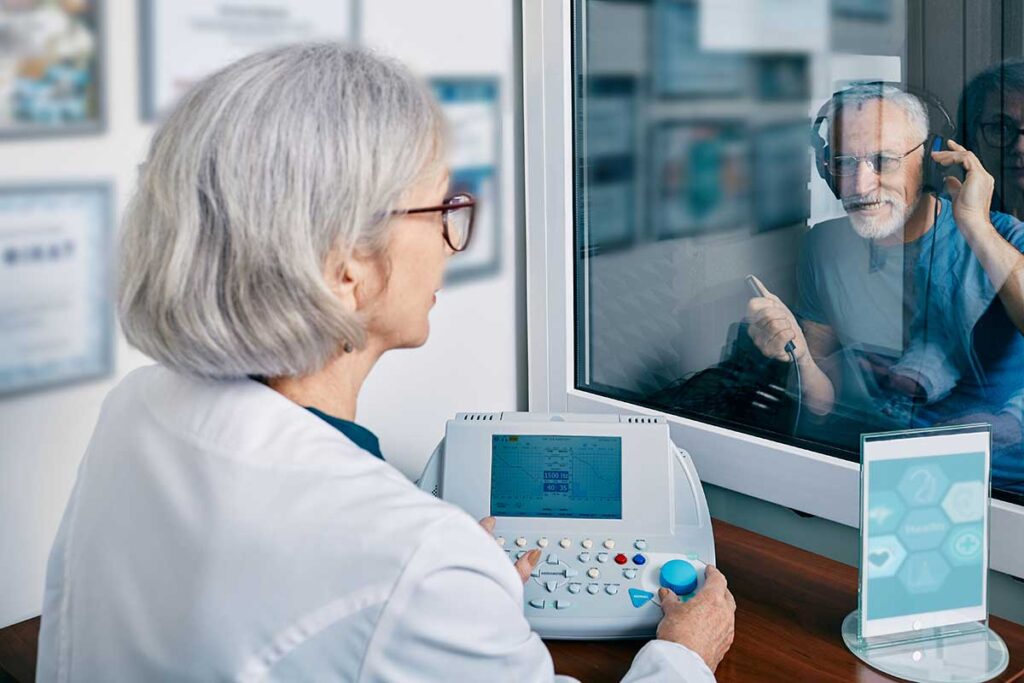
What has changed in hearing aids recently?
The latest hearing aids are smaller, more automated, and better connected to everyday devices than earlier generations. The most meaningful advances involve speech understanding in background noise, rechargeable power, wireless streaming, self-fitting options, and remote adjustments.
Technology can improve access and listening comfort, but it does not eliminate the need to understand the type and severity of hearing loss. A feature that helps one person may be unnecessary or unsuitable for another.
How does artificial intelligence improve hearing aids?
Artificial intelligence, machine learning, and neural-network processing are increasingly used to separate speech from competing sounds. These systems analyze incoming sound many times per second and attempt to identify whether the wearer is hearing a conversation, traffic, music, appliances, or general background noise.
Newer processing may help with:
- Following a speaker in a busy restaurant
- Reducing steady sounds such as fans or road noise
- Adjusting the balance between speech and background sound
- Preserving a more natural sound during quiet conversations
- Reducing the mental effort required to follow multiple talkers
The technology is most helpful when it supports, rather than replaces, good hearing-aid programming. Even advanced artificial intelligence cannot perfectly restore normal hearing or guarantee that every word will be clear in a crowded room. Positioning, lighting, room acoustics, and the speaker’s voice still matter.
For local residents, this can be relevant in many ordinary settings, including family gatherings, community events, places with hard floors, and homes where heating or cooling equipment creates steady background noise.
Are hearing aids better at handling background noise?
Yes, but the improvement comes from several technologies working together rather than from a single “noise cancellation” feature.
Directional microphones can focus more strongly on sound arriving from in front of the wearer. Digital noise reduction can lower the prominence of certain unwanted sounds. Feedback management can reduce whistling. Automatic scene analysis can recognize changes in the listening environment and adjust settings without requiring constant manual control.
Some advanced devices also use motion sensors or spatial processing to estimate where a speaker is located. This may help the hearing aids preserve awareness of the surrounding environment while giving greater emphasis to the person the wearer is facing.
Noise reduction should not be confused with silence. Hearing aids are designed to make speech more accessible, not to erase every sound. In some cases, excessive noise reduction can make speech seem less natural or remove useful environmental cues.
What role do Bluetooth and direct audio streaming play?
Wireless connectivity allows compatible hearing aids to receive sound directly from phones, tablets, computers, televisions, and other devices. The signal can be sent to one or both hearing aids, reducing the need to turn up a television or hold a phone close to the ear.
Common uses include:
- Phone calls
- Video appointments
- Music and podcasts
- Television audio
- Navigation prompts
- Digital meeting platforms
Modern connectivity is becoming more flexible, but compatibility still varies. Some systems work more smoothly with certain operating systems or phone models. Battery use may also increase during frequent streaming.
A person choosing hearing aids should consider the devices used most often, not just the hearing aids’ advertised wireless features. A technology that works well with a rarely used phone may be less valuable than reliable performance with the television or communication tools used every day.
Are rechargeable hearing aids now standard?
Rechargeable models have become widely available and are increasingly common. Instead of changing small disposable batteries, the wearer places the hearing aids in a charging case or dock, usually overnight.
Advantages may include:
- Easier handling for people with limited finger dexterity
- Less need to keep spare batteries available
- A simpler daily routine
- Reduced concern about accidentally swallowing loose batteries
- Convenient charging during travel or overnight
Rechargeable technology also has limitations. Charging equipment must be kept accessible, and a dead battery may be more difficult to replace immediately. Battery performance can decline over several years, and streaming or cold temperatures may shorten daily operating time.
In Lebanon, seasonal temperature changes and winter travel can make storage especially relevant. Hearing aids should not be left in a cold vehicle or exposed to condensation when moving between cold outdoor air and a warm indoor environment.
What are over-the-counter hearing aids, and who are they for?
Over-the-counter hearing aids are federally regulated devices intended for adults with perceived mild to moderate hearing loss. They can be purchased without a prescription or required professional fitting, and some include hearing tests or smartphone-based self-fitting tools.
This option may be appropriate for an adult who notices gradual difficulty hearing conversations but has no warning signs of a more serious ear problem. OTC devices are not intended to cover every type or degree of hearing loss.
A hearing evaluation is particularly important before relying on self-fitting technology if there is:
- Sudden or rapidly worsening hearing loss
- Hearing loss mainly in one ear
- Ear pain, drainage, or repeated infections
- Severe dizziness or balance problems
- Persistent one-sided ringing
- A major difference between the ears
- A feeling of blockage that may be caused by earwax
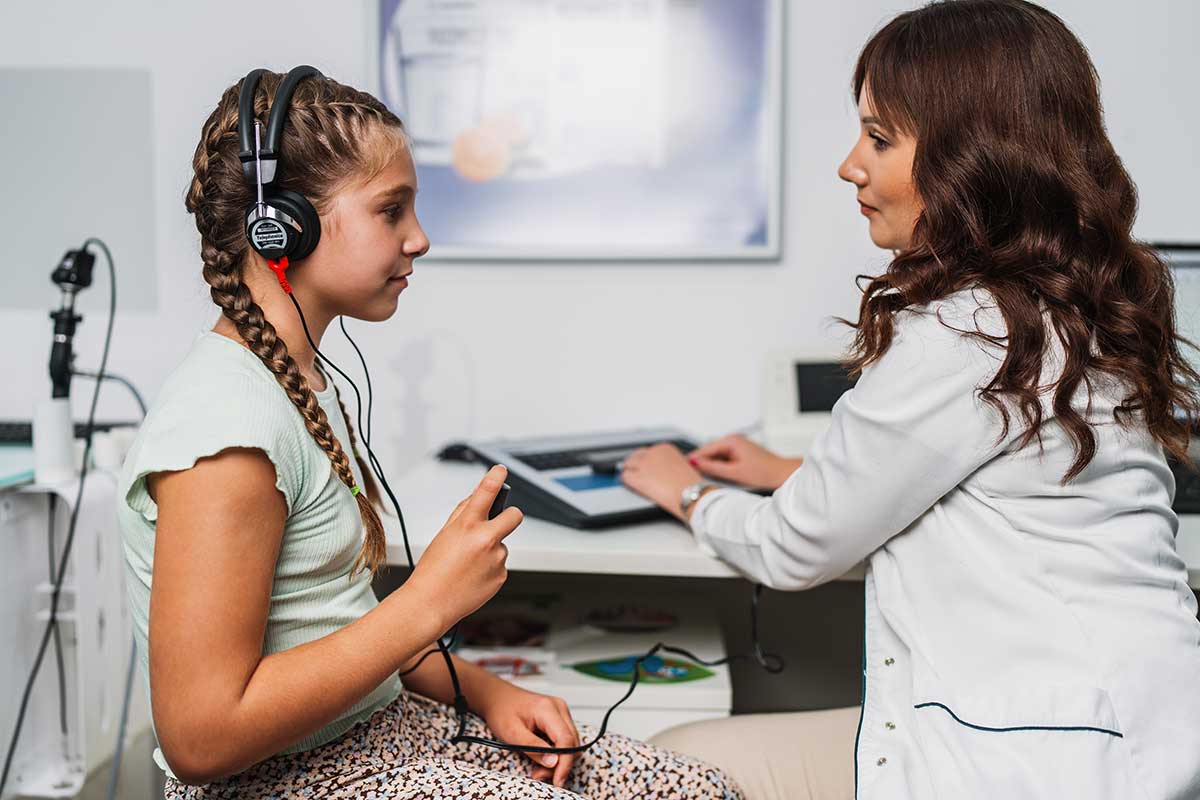
Prescription hearing aids remain available for people of any age and for a broader range of hearing losses, including more severe loss. They can also provide more individualized programming and follow-up support.
Can hearing aids be adjusted remotely?
Many newer prescription systems support remote programming or follow-up changes through an internet-connected phone. Depending on the system and the situation, adjustments may be made without an in-person visit.
Remote options can be useful when:
- A wearer needs a minor sound adjustment
- A new listening environment creates a specific problem
- Travel or mobility makes an office visit difficult
- A person is learning which settings feel most comfortable
Remote care does not replace every type of hearing evaluation. Physical ear symptoms, equipment problems, earwax, sudden hearing changes, and concerns about balance may require an in-person assessment.
Are hearing aids becoming health-monitoring devices?
Some hearing aids now include sensors that can detect movement, estimate activity, or support hands-free interaction with digital assistants. Research and development are also exploring hearing-related measures such as listening effort, voice patterns, and changes in daily activity.
These features should be viewed carefully. A hearing aid is primarily designed to improve access to sound. Health-related measurements may be useful, but they are not automatically diagnostic tools, and readings can be affected by fit, motion, phone settings, and the listening environment.
Privacy is another practical consideration. Connected devices may collect data through an app or cloud service. Before enabling optional features, users should review what information is collected, where it is stored, and how it can be deleted.
What should people compare before choosing new technology?
The most useful question is not, “Which hearing aid has the most features?” It is, “Which features address the situations that are actually difficult?”
Consider:
- How well speech is understood in quiet and in noise
- Whether the device works with the person’s phone and television
- Battery or charging needs
- Ease of cleaning and handling
- Water and moisture resistance
- Access to manual controls
- Ability to make future adjustments
- Whether the hearing loss is appropriate for OTC technology
- How easily the wearer can learn and maintain the system
The newest hearing aids can provide meaningful improvements, especially for speech in noise and daily connectivity. Still, realistic expectations remain essential. Better technology can make communication easier, but successful hearing care also depends on accurate hearing information, appropriate fitting, consistent use, good lighting, reduced background noise, and communication habits shared by family members.